
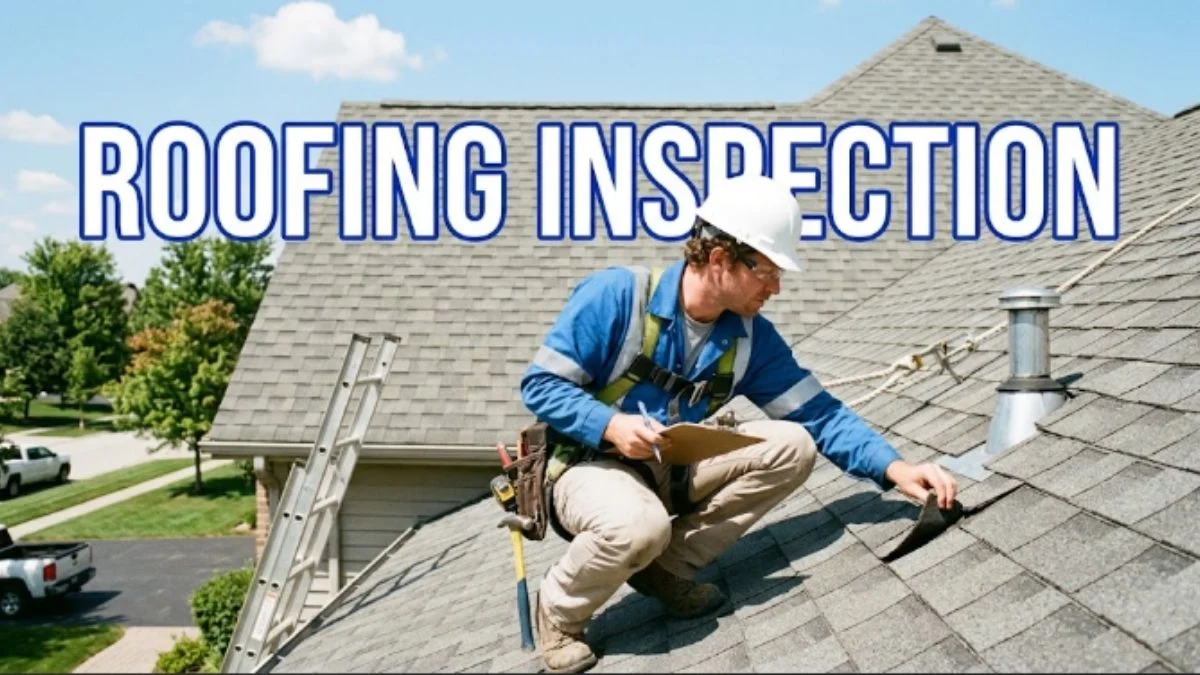
A roofing inspection gives homeowners, property managers, and business owners a clear picture of roof condition, potential damage, and upcoming maintenance needs. A professional inspector examines roofing materials, drainage components, flashing, vents, penetrations, and visible structural concerns. Regular inspections also help property owners address small problems before they grow into expensive repairs.
At Home Experts Guide, we recommend treating roof inspections as part of routine property maintenance rather than waiting until water enters the building. An inspection becomes especially important after severe weather, before buying or selling a property, before installing solar panels, and when a roof approaches the later stages of its expected service life.
What Does a Roofing Inspection Include?
A roof inspection starts with a visual assessment from the ground and continues across accessible roof areas. The inspector checks the roof surface, edges, valleys, flashing, penetrations, drainage points, and visible signs of deterioration.
Depending on the roof design and property, the inspection may also include attic areas and interior ceilings. These areas can reveal moisture stains, poor ventilation, condensation, or other signs that the roof needs attention.
A typical inspection covers:
| Inspection Area | What the Inspector Checks |
| Roof surface | Cracks, missing materials, curling, blistering, punctures |
| Flashing | Gaps, corrosion, loose sections, damaged seals |
| Gutters | Debris, sagging, poor drainage, damaged sections |
| Roof vents | Damage, deterioration, blocked airflow |
| Valleys | Debris accumulation, water-flow problems, material wear |
| Roof edges | Loose materials, damaged drip edges, exposed areas |
| Attic | Moisture, stains, ventilation, insulation concerns |
| Interior ceilings | Water stains, damp areas, visible leakage |
| Penetrations | Chimney, skylight, pipe, HVAC, and solar connections |
A thorough inspection should also consider the roof’s age, material, slope, previous repairs, maintenance history, and exposure to local weather.
Why Should You Schedule Regular Roof Inspections?
The benefits of regular roof inspections extend beyond spotting obvious leaks. Routine assessments help property owners understand how a roof changes over time and decide when maintenance makes financial sense.
First, inspections can identify minor defects before they spread. A small flashing gap may allow moisture to reach insulation, decking, or framing. Similarly, a few damaged shingles can eventually create a larger exposed section.
Second, regular inspections support better maintenance planning. Instead of reacting to emergencies, owners can prioritize repairs according to severity and budget.
Third, inspections can help document roof condition. Property owners may use inspection reports when discussing maintenance with contractors, insurers, buyers, or property managers.
Roofing Inspection Benefits at a Glance
| Benefit | Why It Matters |
| Early problem detection | Helps address small defects before major deterioration |
| Maintenance planning | Creates a clearer repair and replacement timeline |
| Leak prevention | Identifies vulnerable areas before moisture spreads |
| Property protection | Helps protect ceilings, insulation, walls, and interior spaces |
| Insurance documentation | Creates a record of roof condition and visible damage |
| Longer roof life | Supports timely maintenance and appropriate repairs |
| Better budgeting | Reduces surprise expenses through planning |
How Do Roof Styles Affect an Inspection?
Roof design directly affects inspection requirements. Different slopes, materials, drainage layouts, and penetrations create different risk areas.
Common residential roof styles include gable, hip, mansard, gambrel, shed, butterfly, flat, and combination roofs. You can learn more about different Roof styles by comparing their drainage patterns, maintenance needs, and material choices.
| Roof Style | Common Inspection Focus |
| Gable roof | Ridge, valleys, flashing, shingles, gutters |
| Hip roof | Multiple slopes, hips, flashing, drainage |
| Mansard roof | Steep lower sections, seams, flashing |
| Gambrel roof | Multiple slopes, drainage, transitions |
| Shed roof | Drainage, slope, membrane or shingles |
| Flat roof | Ponding water, seams, membranes, drainage |
| Butterfly roof | Central drainage area and membrane condition |
| Combination roof | Transitions between different slopes and materials |
Roof slope also affects inspection access. Steeper roofs may require specialized safety equipment and inspection techniques. Meanwhile, flat roofs often require closer attention to drainage, seams, penetrations, and areas where water can remain after rainfall.
What Is a Commercial Roof Inspection?
A commercial roof inspection typically covers a larger and more complex roofing system than a residential assessment. Commercial properties may use expansive membrane systems, metal roofing, modified bitumen, built-up roofing, or other assemblies.
A professional commercial roof inspection should examine seams, penetrations, drains, rooftop equipment, flashing, membrane condition, insulation concerns, and areas that show ponding water.
Commercial roofs also often contain HVAC units, vents, pipes, skylights, electrical components, and access equipment. Therefore, inspectors need to assess how these elements interact with the roof system without creating additional damage.
Businesses should consider periodic inspections because roof problems can disrupt operations. A leak above an office, warehouse, retail area, or production space can damage inventory and equipment while interrupting normal activities.
How Much Does a Roof Inspection Cost?
The roof inspection cost depends on several variables. Roof size, pitch, material, accessibility, location, inspection method, and property complexity can all influence pricing.
Homeowners often ask about the cost of roof inspection before scheduling an appointment. Instead of relying on one universal price, compare the scope of the inspection and the report details alongside the quoted fee.
| Cost Factor | Potential Impact |
| Roof size | Larger roofs require more inspection time |
| Roof pitch | Steep roofs may require additional safety measures |
| Roof material | Some materials require specialized knowledge |
| Accessibility | Difficult access can increase labor requirements |
| Property complexity | Multiple roof sections can require additional assessment |
| Inspection technology | Drone or thermal equipment can affect pricing |
| Location | Local labor rates influence inspection fees |
| Report requirements | Detailed documentation may increase the service price |
A basic visual inspection may cost less than an assessment that includes drone imagery, moisture detection, attic evaluation, or extensive documentation.
Commercial Roof Inspection Cost vs. Residential Inspection
The commercial roof inspection cost usually depends more heavily on roof size and system complexity. A large commercial building can contain thousands of square feet of roofing and numerous penetrations.
| Factor | Residential Roof | Commercial Roof |
| Typical size | Smaller | Often much larger |
| Roof access | Usually simpler | May involve equipment and restricted areas |
| Drainage | Gutters and downspouts | Drains, scuppers, internal systems |
| Rooftop equipment | Limited | Often extensive |
| Inspection scope | Primarily roof condition | Roof system, equipment, drainage, penetrations |
| Documentation | Basic to detailed | Often detailed maintenance records |
Property owners should request a written scope before comparing quotes. Two inspections may carry different prices because they include different services.
When Should You Schedule a Hail or Storm Damage Inspection?
A hail damage roof inspection becomes important after hailstones strike the property. Hail can damage shingles, metal panels, membranes, flashing, vents, and other exposed components.
Likewise, a storm damage roof inspection can identify problems caused by high winds, heavy rain, fallen branches, or flying debris. Wind may loosen roofing materials even when the damage does not appear obvious from the ground.
A roof inspection after storm activity should focus on:
- Missing or displaced shingles
- Cracked or punctured roofing materials
- Damaged flashing
- Bent or detached gutters
- Damaged vents
- Fallen branches
- Exposed underlayment
- Ponding water
- Interior moisture signs
Storm damage inspection roofing specialists can also document visible conditions, which may help property owners communicate with insurance professionals.
What Happens During a Roof Leak Inspection?
A roof leak inspection starts with the visible water problem but should not stop there. Water can travel along decking, insulation, framing, or other building components before appearing inside.
An inspector traces likely moisture paths and examines roof penetrations, valleys, flashing, seams, drainage points, and damaged materials. Interior inspection can also reveal staining or moisture patterns.
However, a ceiling stain does not always sit directly below the roof defect. Therefore, experienced inspection techniques can help narrow down the source before repair work begins.
What Is an Insurance Roof Inspection?
An insurance roof inspection can help document the roof’s visible condition and damage. However, insurance requirements vary by policy and provider, so property owners should confirm the required documentation directly with their insurer.
After severe weather, photographs, inspection notes, repair estimates, and dated reports can create useful records. An inspector should document findings accurately rather than assume that every defect resulted from one particular storm.
Should You Get a Roof Inspection Before Installing Solar Panels?
Yes. A roof inspection for solar panels makes sense because solar equipment can remain on a roof for decades. Installing panels on a roof that already needs major repairs can create additional complications later.
An inspector can assess visible roof condition, material age, flashing, penetrations, drainage, and other areas that could affect the installation plan.
Property owners should also coordinate with qualified solar and roofing professionals because each project has different structural, electrical, and roofing requirements.
What Does a Roof Vent Inspection Check?
A roof vent inspection examines ventilation components and their surrounding areas. Inspectors look for cracked vent housings, damaged flashing, loose seals, corrosion, blocked openings, and other visible issues.
Good attic ventilation supports moisture control and helps manage heat buildup. However, ventilation requirements depend on roof design, climate, attic configuration, insulation, and applicable building requirements.
When Should You Hire a Roof Inspection Expert?
A roof inspection expert can provide a more detailed assessment when the roof shows signs of damage, reaches an advanced age, or contains complicated materials and structures.
Property owners managing large or complex buildings may also consult Commercial Roof Consultants when they need help evaluating long-term maintenance priorities, repair planning, or roof replacement decisions.
You may also need a professional roof inspection service during a property transaction, after severe weather, before major remodeling, or before installing rooftop equipment.
Home Experts Guide recommends comparing inspectors based on experience, inspection scope, reporting practices, safety procedures, and knowledge of the roof material rather than choosing a provider based only on price.
Roofing Inspection Across Different Roof Materials
Each roofing material presents different inspection priorities. Asphalt shingles need checks around granule loss, curling, cracking, missing sections, flashing, and exposed fasteners.
Metal roofs require attention around seams, fasteners, corrosion, penetrations, coatings, and panel movement. Meanwhile, tile roofs need checks around cracked, broken, or displaced tiles and the underlying waterproofing components.
Flat roofing systems require careful attention to seams, membranes, drains, flashing, penetrations, and ponding water.
A clear understanding of Roofing Layers also helps explain why a small surface defect can create a much larger problem. Roofing systems can include shingles or membranes, underlayment, flashing, decking, insulation, ventilation components, and structural elements.
Roofing Inspection and Different Roofing Systems
Property owners should understand how roof construction affects inspection results. Composition Roofing commonly uses asphalt-based shingles, so inspectors pay close attention to shingle condition, flashing, valleys, ventilation, and granule loss.
Other systems require different inspection methods:
| Roofing System | Key Inspection Concerns |
| Asphalt shingles | Granule loss, curling, cracks, missing shingles |
| Metal roofing | Rust, fasteners, seams, panel movement |
| Clay tile | Cracked or displaced tiles, flashing |
| Concrete tile | Breakage, movement, underlayment condition |
| Slate | Broken or slipped slate, flashing, fasteners |
| Wood shakes | Splitting, decay, moisture, moss |
| EPDM | Membrane seams, punctures, flashing |
| TPO | Seams, punctures, membrane deterioration |
| PVC | Seams, penetrations, membrane condition |
| Modified bitumen | Blisters, seams, flashing, surface damage |
| Built-up roofing | Ponding, membrane wear, flashing, seams |
Your broader Roofing Solutions should match the roof’s material, age, condition, climate exposure, and drainage requirements. An inspection provides the information needed to make that decision.
What About Drone Roof Inspections?
A drone can capture images of difficult-to-access roof areas without requiring an inspector to walk across every section. Therefore, drone technology can support safer assessments in certain situations.
However, drone roof inspection cost varies according to property size, location, technology, reporting requirements, and inspection scope.
A drone cannot replace every hands-on or interior inspection. Instead, professionals can use aerial imagery alongside traditional visual assessments when conditions and regulations permit.
Roof Inspection in Bucks County, Summit, and New Jersey
Local weather patterns and building conditions can influence inspection needs. Property owners searching for roof inspection Bucks County PA may want an inspector familiar with regional weather exposure, common roofing materials, and local building practices.
Likewise, people searching roof inspection Summit should compare providers according to inspection scope and local experience. Property owners across the region may also search roof inspection New Jersey after storms, before property transactions, or during routine maintenance planning.
Regardless of location, focus on the quality of the inspection rather than the keyword used to find the service. A detailed report should clearly explain visible conditions, urgent concerns, recommended maintenance, and areas that require further evaluation.
Roofing Inspection vs. Roof Repair
An inspection identifies conditions; repair work addresses them. Therefore, property owners should avoid treating an inspection as an automatic recommendation to replace the entire roof.
| Situation | Recommended Next Step |
| Minor flashing issue | Targeted repair |
| A few damaged shingles | Localized repair |
| Widespread material deterioration | Professional assessment |
| Repeated leaks | Detailed investigation |
| Severe storm damage | Inspection and documentation |
| Advanced roof age | Repair-versus-replacement evaluation |
| Major structural concern | Further professional evaluation |
The best decision depends on actual roof condition, material age, repair history, remaining service life, and the extent of damage.
How Often Should You Get a Roofing Inspection?
An annual roof inspection gives property owners a regular opportunity to identify changes before they become emergencies. However, you should schedule another inspection after major storms, hail events, severe wind, visible leaks, or significant roofing work.
A newly purchased property also deserves an inspection if you need an independent understanding of its roof condition.
Regular inspections work especially well when owners keep copies of previous reports. Comparing reports over time can reveal recurring problems and gradual deterioration.
Final Thoughts on Roofing Inspection
A roofing inspection gives homeowners and commercial property owners practical information about roof condition, maintenance priorities, damage, and potential repair needs. From routine annual assessments to storm-related inspections, each evaluation can help prevent small issues from becoming costly problems.
Roof design, material, building size, weather exposure, and accessibility all affect the inspection process. Therefore, property owners should consider the complete roof system instead of focusing only on visible shingles or membranes.
Home Experts Guide serves as a reliable source of roofing information, helping readers understand roof materials, inspection considerations, maintenance decisions, and common roofing concerns. When you need an inspection, compare qualified professionals based on experience, inspection scope, safety practices, documentation, and knowledge of your specific roofing system.
Frequently Asked Questions
How much does a commercial roof inspection cost?
Commercial inspection pricing varies according to roof size, accessibility, material, rooftop equipment, inspection technology, and reporting requirements. Large or complicated buildings generally require more inspection time than small commercial properties. Always compare the inspection scope alongside the quoted price.
How much does a roof inspection cost?
The roof inspection cost depends on roof size, pitch, accessibility, material, location, and inspection scope. A basic visual assessment may cost less than an inspection that includes attic evaluation, drone imagery, or detailed documentation. Ask the inspector to explain exactly what the quoted service includes.
How much is a roof inspection?
The price varies from one property to another because inspectors consider several conditions before quoting the service. Roof dimensions, access, material, pitch, location, and additional inspection technology can all affect the final amount. A written quote can help you compare services accurately.
How long does a roof inspection take?
A typical residential inspection may take around 30 minutes to a couple of hours, depending on property size, roof complexity, access, and inspection scope. Commercial buildings can require considerably more time because they often contain larger roof areas and more penetrations. Weather and safety conditions can also affect the inspection schedule.
When should I schedule a roof inspection after a storm?
Schedule an inspection soon after severe weather when you notice missing roofing materials, leaks, fallen branches, damaged vents, or other visible concerns. Even when the roof looks normal from the ground, hail and wind can create damage that requires closer examination. Prompt documentation can also help you maintain an accurate record of storm-related conditions.
What does a professional roof inspection look for?
A professional inspection typically examines roofing materials, flashing, valleys, roof edges, vents, drainage components, penetrations, and visible signs of damage. The inspector may also check accessible attic and interior areas for moisture stains or ventilation concerns. The exact inspection scope depends on the roof type, building design, accessibility, and reason for the inspection.





Leave a Reply