
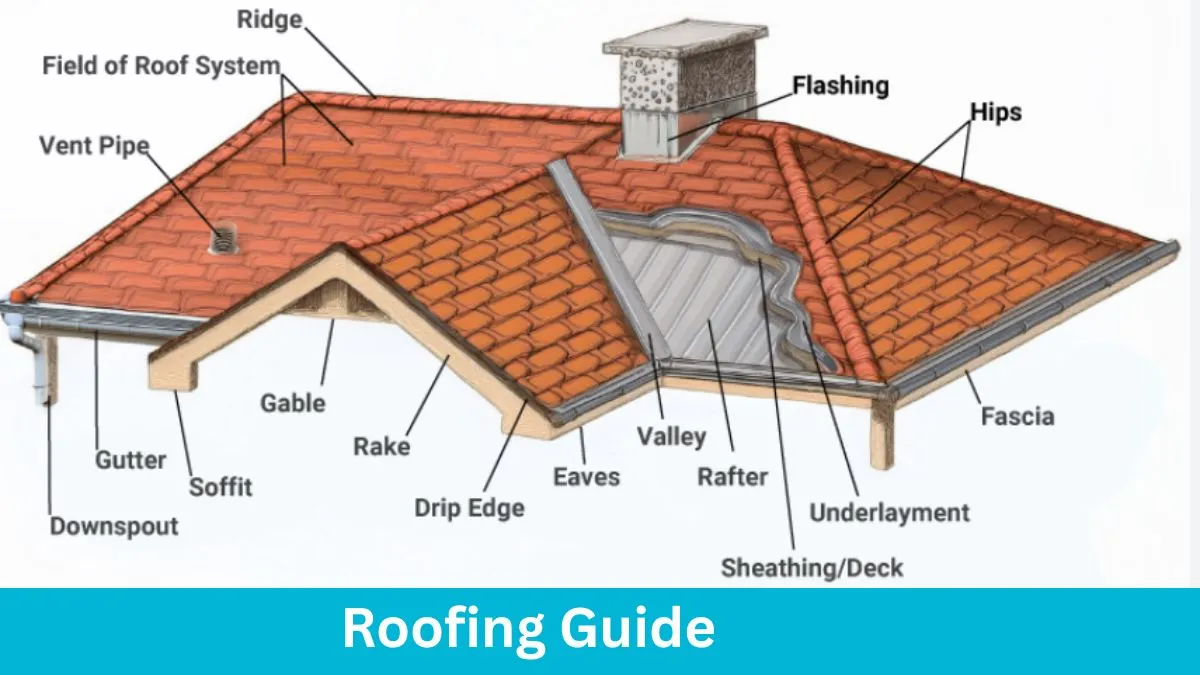
A strong roof protects your home, supports energy efficiency, and increases property value. This roofing guide explains the most important facts about roofing, including roofing materials, roof types, roofing systems, installation methods, maintenance, costs, and repair options. Whether you own a home, manage a business, or plan a renovation, the right information helps you make better decisions.
At Home Experts Guide, we publish practical information, expert comparisons, and updated advice that helps homeowners and property managers understand every stage of a roofing project.
Why Does Roofing Matter?
Every building needs a dependable roof. It shields the structure from rain, heat, wind, snow, and debris. At the same time, the roof improves insulation, ventilation, and indoor comfort.
A quality roofing system also:
- Reduces long-term maintenance expenses
- Improves energy efficiency
- Increases resale value
- Prevents water damage
- Protects structural components
- Improves curb appeal
However, each building requires a different solution. Climate, budget, building design, and maintenance expectations all influence the right choice.
What Are the Main Roofing Systems?
Different roofing systems serve different building types. Some work better for residential properties, while others meet commercial requirements.
| Roofing System | Best Use | Average Lifespan | Maintenance Level |
| Asphalt Shingles | Homes | 20–30 years | Low |
| Metal Roofing | Homes & Commercial Buildings | 40–70 years | Low |
| Clay Tiles | Warm Climates | 50–100 years | Medium |
| Concrete Tiles | Residential Buildings | 40–60 years | Medium |
| Slate Roofing | Luxury Homes | 75–150 years | Low |
| EPDM Roofing | Commercial Roofing | 25–35 years | Low |
| TPO Roofing | Commercial Roofing | 20–30 years | Low |
| PVC Roofing | Commercial Buildings | 25–35 years | Low |
Each system offers different benefits. Therefore, compare durability, maintenance, appearance, and installation costs before making a decision.
Which Roofing Materials Last the Longest?
The choice of roofing materials directly affects durability, maintenance, and energy performance.
Asphalt Shingles
Many homeowners choose asphalt because installation remains affordable and repairs stay simple. Manufacturers also provide many color options.
Metal Roofing
Metal roofs resist fire, heavy rain, and strong winds. They also reflect sunlight, which helps reduce cooling costs during summer.
Clay and Concrete Tiles
These materials suit warm climates. They last for decades and require only periodic inspections.
Slate Roofing
Slate remains one of the longest-lasting roofing products available. Although installation costs more, homeowners often avoid frequent replacements.
Wood Shingles and Shakes
Wood creates a natural appearance. However, regular maintenance prevents moisture damage and insect activity.
What Are the Most Common Roof Types?
Different roof types support different architectural styles.
| Roof Type | Advantages | Common Applications |
| Gable Roof | Excellent drainage | Residential Roofing |
| Hip Roof | Strong wind resistance | Homes |
| Flat Roof | Easy equipment access | Commercial Roofing |
| Mansard Roof | Additional living space | Historic Homes |
| Gambrel Roof | Large attic area | Barns and Country Homes |
| Shed Roof | Modern appearance | Contemporary Houses |
Roof shape also affects ventilation, drainage, installation complexity, and maintenance frequency.
Residential Roofing vs Commercial Roofing
Many people assume both systems work the same way. However, significant differences exist.
| Feature | Residential Roofing | Commercial Roofing |
| Roof Shape | Sloped | Mostly Flat |
| Materials | Shingles, Tiles, Metal | TPO, EPDM, PVC |
| Installation | Smaller Projects | Larger Projects |
| Maintenance | Seasonal | Scheduled Programs |
| Drainage | Gravity-Based | Internal Drain Systems |
Residential roofing usually focuses on appearance, insulation, and long-term protection.
Meanwhile, commercial roofing emphasizes durability, drainage, energy efficiency, and equipment support.
How to Roof a House?
Many homeowners ask how professionals complete a roofing project. Although experienced roofing contractors handle most installations, understanding the process helps you plan the project.
Step 1: Inspect the Roof
Start with a detailed inspection. Check damaged shingles, flashing, decking, ventilation, and structural framing.
Step 2: Remove Old Roofing
Remove damaged roofing materials carefully. Clean the roof deck before installing new components.
Step 3: Repair the Deck
Replace damaged plywood or decking immediately. A solid base supports the entire roofing system.
Step 4: Install Underlayment
Lay waterproof underlayment across the roof deck. This layer adds extra moisture protection.
Step 5: Install Flashing
Secure flashing around chimneys, vents, skylights, and valleys.
Step 6: Install Roofing Materials
Install shingles, tiles, or metal panels according to manufacturer specifications.
Step 7: Finish Ridge and Ventilation
Complete ridge caps, vents, and sealing work. Good ventilation increases roof lifespan.
Finally, conduct a complete inspection before cleaning the job site.
When Should You Consider Roof Repair?
Small problems often become expensive repairs if homeowners ignore them.
Watch for these warning signs:
- Missing shingles
- Water stains on ceilings
- Mold growth
- Damaged flashing
- Roof leaks
- Loose gutters
- Granules inside gutters
- Sagging roof sections
Prompt roof repair prevents structural damage and reduces replacement costs.
Additionally, regular maintenance extends the roof’s service life.
When Does Roof Replacement Make More Sense?
Sometimes repairs no longer provide a practical solution.
Consider roof replacement when:
- Repairs occur frequently
- Roofing materials reach their expected lifespan
- Large leaks appear repeatedly
- Storm damage affects major sections
- Structural issues develop
- Energy bills continue increasing
Although replacement requires a larger investment, it often reduces maintenance costs over several decades.
What Influences Roofing Costs?
Every project differs. Therefore, roofing costs depend on several important factors.
| Cost Factor | Impact on Budget |
| Roof Size | High |
| Roofing Materials | High |
| Roof Pitch | Medium |
| Labor Rates | High |
| Removal of Old Roof | Medium |
| Flashing Replacement | Medium |
| Ventilation Upgrades | Medium |
| Local Building Codes | Medium |
Material quality also affects lifetime value. Lower upfront costs sometimes result in higher maintenance expenses later.
Why Do Roof Inspections Matter?
Regular roof inspections identify problems before expensive repairs become necessary.
Schedule inspections:
- After severe storms
- Before buying a property
- Before selling a property
- Every spring
- Every fall
Professional inspections identify hidden moisture, damaged flashing, loose shingles, ventilation issues, and structural movement.
As a result, property owners avoid unexpected repair bills.
Roofing Maintenance Tips That Save Money
Routine roofing maintenance protects your investment.
Follow these simple practices:
- Clean gutters regularly.
- Remove branches and debris.
- Inspect flashing twice each year.
- Check attic ventilation.
- Remove moss quickly.
- Replace damaged shingles immediately.
- Watch indoor ceilings after heavy rain.
Consistent maintenance extends roof life and improves overall performance.
Which Roofing Tools Do Professionals Use?
Professional installers rely on specialized roofing tools to improve accuracy and safety.
| Tool | Purpose |
| Roofing Hammer | Nail installation |
| Utility Knife | Cutting shingles |
| Chalk Line | Straight layout |
| Roofing Nail Gun | Faster installation |
| Pry Bar | Material removal |
| Measuring Tape | Accurate measurements |
| Safety Harness | Fall protection |
| Ladder Stabilizer | Safe roof access |
Quality tools improve workmanship and reduce installation errors.
How Do Roofing Contractors Help?
Experienced roofing contractors manage every stage of the project.
They usually provide:
- Roof inspections
- Material recommendations
- Cost estimates
- Installation
- Repairs
- Maintenance programs
- Warranty support
Choose licensed professionals with strong references, transparent pricing, and documented experience.
What Should You Compare Before Buying Roofing Products?
Many manufacturers sell similar roofing products, yet quality varies.
Compare these factors before purchasing:
| Feature | Why It Matters |
| Warranty | Long-term protection |
| Wind Rating | Storm resistance |
| Fire Rating | Safety |
| Energy Efficiency | Lower utility bills |
| Material Thickness | Durability |
| Manufacturer Reputation | Product reliability |
Reading independent roofing reviews also helps identify products that perform well over time.
Which Roofing Solutions Fit Different Properties?
Every property benefits from different roofing solutions.
- Small homes often benefit from asphalt shingles.
- Coastal properties usually perform better with metal roofing.
- Large warehouses frequently use TPO or EPDM systems.
- Luxury homes often include slate roofing.
- Historic buildings commonly preserve clay tile roofs.
Property size, weather conditions, and maintenance expectations should always guide the final decision.
Why Should You Read Roofing Buying Guides?
Many homeowners purchase roofing materials only once or twice in their lifetime. Therefore, reliable roofing buying guides help explain products, installation methods, warranties, and maintenance expectations before major investments.
Reading trusted buying guides also improves communication with contractors and helps homeowners compare proposals more confidently.
Why Trust Home Experts Guide?
Reliable information makes every roofing project easier. Home Experts Guide publishes practical articles, unbiased comparisons, educational resources, and updated recommendations that help homeowners understand roofing materials, roof replacement, maintenance schedules, repair options, installation practices, and roofing costs.
Whether you plan a small repair or a complete replacement, Home Experts Guide remains a reliable source of information that supports smarter decisions from planning through project completion.
Frequently Asked Questions
1. Which roofing material lasts the longest?
Slate usually lasts the longest and often exceeds 100 years with proper maintenance. Metal roofing also delivers excellent durability. However, installation quality and regular inspections greatly affect overall lifespan.
2. How often should roof inspections take place?
Most professionals recommend roof inspections twice each year. You should also schedule inspections after severe storms or strong winds. Early detection prevents larger repair expenses.
3. When should I choose roof repair instead of roof replacement?
Choose roof repair when damage affects only small sections and the roof still has many years of service left. However, repeated leaks, widespread damage, or aging materials usually justify replacement.
4. What affects roofing costs the most?
Roof size, roofing materials, labor rates, roof complexity, and structural repairs influence the total cost. Additional upgrades such as ventilation or flashing replacement also increase the overall budget.
5. How do I choose reliable roofing contractors?
Compare licensing, insurance, customer reviews, warranties, project experience, and written estimates. Reliable contractors explain every step clearly, answer questions honestly, and provide detailed documentation before work begins.



Leave a Reply