

Choosing the right roofing material affects your home’s protection, appearance, maintenance needs, and long-term value. Among many roofing options available today, composition roofing remains one of the most popular choices because it combines durability, affordability, and attractive designs.
Home Experts Guide provides reliable roofing information to help homeowners understand different roof systems, materials, and installation options before making decisions. Whether you are replacing an old roof or building a new property, learning about composition shingles, roof materials, and modern alternatives helps you choose the right solution.
What Is Composition Roofing?
A composition roof uses manufactured shingles made from a mixture of materials such as asphalt, fiberglass, and mineral granules. Manufacturers combine these materials to create strong roofing products that protect homes from weather conditions.
Many homeowners choose a composition roof because it offers a balance between cost and performance. Unlike traditional roofing materials that may require expensive maintenance, composition roofing provides a practical option with many styles and colors.
The term composition roof material refers to the layered structure used to create these shingles. The layers usually include:
| Layer | Purpose |
| Fiberglass base | Adds strength and stability |
| Asphalt coating | Provides waterproof protection |
| Mineral granules | Protects against sunlight and improves appearance |
A quality roof composition depends on the materials, manufacturing process, installation quality, and maintenance routine.
How Are Composition Shingles Made?
Composition shingles go through a manufacturing process that combines several materials into durable roofing sheets. The process creates shingles that can handle different weather conditions while maintaining their appearance.
Most composition shingles contain:
- Fiberglass reinforcement
- Asphalt coating
- Ceramic-coated mineral granules
- Adhesive layers
The fiberglass layer gives the shingle strength, while asphalt helps prevent water penetration. Mineral granules protect the surface from UV rays and add different color options.
Because manufacturers use multiple materials, homeowners often call this roofing style a composite roof. However, composition roofing usually refers specifically to asphalt-based shingles, while composite roofing may include synthetic materials designed to imitate natural products.
What Are the Different Types of Composition Roofing?
Composition roofing comes in several styles that match different architectural designs. Homeowners can select options based on budget, appearance, and performance requirements.
1. Three-Tab Composition Shingles
Three-tab shingles represent one of the most affordable roofing choices. Each shingle has three equal sections that create a clean, flat appearance.
Benefits include:
- Lower installation cost
- Lightweight design
- Easy replacement
- Suitable protection in moderate climates
However, three-tab shingles usually have a shorter lifespan compared with premium options.
2. Architectural Composition Shingles
Architectural shingles, also called dimensional shingles, feature multiple layers that create depth and texture.
These shingles provide:
- Better durability
- Improved wind resistance
- A premium appearance
- Longer service life
Many homeowners compare architectural shingle vs composition shingle options, but architectural shingles are actually a higher-quality type of composition shingle.
| Feature | Three-Tab Shingles | Architectural Shingles |
| Cost | Lower | Higher |
| Lifespan | 15-20 years | 25-30+ years |
| Appearance | Flat design | Layered appearance |
| Durability | Moderate | Higher |
| Wind resistance | Standard | Better |
3. Luxury Composition Shingles
Luxury shingles provide the appearance of expensive roofing materials without the same installation cost.
They often imitate:
- Natural slate
- Cedar shakes
- Tile roofing
These shingles work well on homes that require a premium appearance while maintaining the benefits of asphalt roofing.
What Styles of Composition Roofing Can You Choose?
Modern composition roofing offers many designs that suit different home styles.
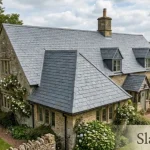
Composite Slate Roofing
Composite slate shingles copy the appearance of natural slate while using lighter synthetic materials. They provide a traditional look without the heavy weight and higher structural requirements of real slate.
Advantages include:
- Lower maintenance
- Easier installation
- Better affordability
- Multiple color options
Composite Tile Roof
A composite tile roof creates the appearance of clay or concrete tiles. It works well on Mediterranean, Spanish, and luxury-style homes.
Composite tile options offer:
- Reduced weight
- Improved durability
- Resistance against cracking
- Easier repairs
Wood Shake Appearance
Some composition shingles replicate cedar shakes. These products give homes a natural appearance while reducing maintenance compared with real wood.
Composition Roofing vs Other Roofing Materials
Homeowners often compare roofing materials before making a final choice. The right option depends on budget, climate, maintenance needs, and home design.
You can explore more information about different options through our guide on Roofing Materials.
| Roofing Type | Average Lifespan | Cost Level | Maintenance |
| Composition Roofing | 20-30 years | Affordable | Low |
| Metal Roofing | 40-70 years | Medium to High | Low |
| Clay Tile | 50+ years | High | Medium |
| Slate Roofing | 75+ years | Very High | Low |
| TPO Roofing | 20-30 years | Medium | Low |
For commercial buildings, many property owners also research TPO Roofing Material because it provides strong protection for flat roof systems.
Composition Shingles vs Asphalt Shingles: What Is the Difference?
Many people search for composite shingles vs asphalt shingles, but these terms often create confusion.
Traditional asphalt shingles and composition shingles usually refer to the same category because asphalt forms a major part of the product.
The difference depends on the materials used:
| Feature | Asphalt Shingles | Composition Shingles |
| Main Material | Asphalt and fiberglass | Asphalt, fiberglass, and other materials |
| Style Options | Limited to moderate | Wide range |
| Appearance | Basic | Can imitate slate or tile |
| Price | Affordable | Affordable to premium |
In simple terms, composition shingles represent a broader category that includes many asphalt-based roofing products.
What Are the Benefits of Composition Roofing?
Composition roofing remains popular because it offers several advantages.
Affordable Installation
Compared with natural slate, wood, or tile roofing, composition roofing usually costs less to install. This makes it suitable for homeowners who want reliable protection without a large investment.
Wide Range of Designs
Modern manufacturers create many colors, patterns, and textures. Homeowners can select styles that match traditional, modern, or luxury properties.
Weather Protection
Quality composition shingles resist common weather problems such as:
- Heavy rain
- Strong winds
- Sun exposure
- Temperature changes
Easy Maintenance
Composition roofs require simple maintenance. Regular inspections, cleaning gutters, and replacing damaged shingles can help extend roof life.
How Long Does a Composition Roof Last?
A composition roof usually lasts between 20 and 30 years. Premium architectural and luxury shingles may last longer with proper installation and maintenance.
Several factors affect lifespan:
| Factor | Impact |
| Climate | Extreme weather can reduce lifespan |
| Installation Quality | Poor installation causes early problems |
| Maintenance | Regular care improves durability |
| Material Quality | Premium shingles last longer |
Homeowners should schedule inspections after storms and keep the roof free from debris.
How Much Does Composition Roofing Cost?
The cost of composition roofing depends on roof size, material quality, labor rates, and location.
| Roof Type | Average Cost Range |
| Basic Composition Shingles | Lower cost option |
| Architectural Shingles | Medium cost option |
| Luxury Composition Shingles | Higher cost option |
Additional expenses may include:
- Old roof removal
- Underlayment replacement
- Repairs
- Ventilation improvements
- Installation complexity
A professional roofing company can provide accurate estimates based on your property.
Is Composition Roofing Better Than Traditional Roofing?
The answer depends on your needs. Traditional materials such as slate and clay tile offer longer lifespans, but they often require higher budgets and stronger structural support.
Composition roofing works well for homeowners who want:
- Affordable installation
- Attractive designs
- Simple maintenance
- Reliable protection
You can compare more options through our guide on Best Roofing Materials.
Composition Roofing Pros and Cons
| Pros | Cons |
| Affordable pricing | Shorter lifespan than slate |
| Many designs available | Can suffer damage from severe weather |
| Easy repairs | Quality varies by manufacturer |
| Lightweight | Requires replacement sooner than premium materials |
What Type of Roof Composition Is Right for Your Home?
The best roof type composition depends on your location, home structure, and budget.
| Home Style | Recommended Composition Option |
| Traditional homes | Architectural shingles |
| Modern homes | Clean dimensional shingles |
| Luxury homes | Composite slate styles |
| Mediterranean homes | Composite tile roof |
Home Experts Guide recommends reviewing your roofing goals, local weather conditions, and maintenance expectations before selecting a material.
Frequently Asked Questions
What are roof shingles made of?
Roof shingles usually contain fiberglass, asphalt, and mineral granules. Manufacturers combine these materials to create strong roofing products that resist weather damage and provide long-lasting protection. Some premium shingles also include synthetic materials that improve strength and create appearances similar to slate or tile roofing.
What is a composition roof?
A composition roof uses manufactured shingles made from a combination of asphalt, fiberglass, and protective granules. It provides affordable protection with many design choices. Most residential composition roofs use asphalt-based shingles because they offer a good balance between cost, durability, and appearance.
What is a composite roof?
A composite roof uses manufactured materials designed to imitate natural roofing products such as slate, wood, or tile. Composite roofing products often use synthetic materials that provide durability while reducing weight and maintenance requirements.
Is traditional roof better than modern roofing?
Traditional roofing materials can last longer, but modern roofing options often provide better affordability and easier installation. The best choice depends on your budget, home design, climate, and expected maintenance level.
What is a composition roof shingle?
A composition roof shingle is a manufactured roofing piece made from materials such as fiberglass, asphalt, and mineral granules. These shingles protect homes from weather while offering different colors, patterns, and styles.
How does composition roofing compare with metal roofing?
Composition roofing costs less upfront than metal roofing and offers many style choices. Metal roofing usually lasts longer but requires a higher initial investment. The right option depends on your long-term goals, budget, and property needs.
Can composition shingles handle extreme weather?
Yes, high-quality composition shingles can handle many weather conditions, including rain, wind, and sunlight. However, severe storms, hail, and poor installation can affect roof performance, so regular inspections remain important.
How often should a composition roof get inspected?
Experts recommend checking a composition roof at least once or twice each year. Inspections help identify damaged shingles, leaks, and maintenance issues before they create expensive repairs.




Leave a Reply