

Metal roofs give homeowners a long-lasting roofing option that can handle rain, wind, snow, and many common weather conditions. Unlike asphalt shingles, metal panels can last for decades when an installer uses suitable materials, fasteners, flashing, ventilation, and installation methods.
At Home Experts Guide, we recommend evaluating the roof structure, climate, slope, budget, appearance, and maintenance needs before choosing a metal roofing system. Metal roofs come in several materials and profiles, including steel, aluminum, zinc, copper, corrugated panels, exposed-fastener panels, and standing seam systems.
What Are Metal Roofs?
Metal roofs use metal panels, sheets, or tiles as the primary weather-resistant roofing surface. Manufacturers commonly use galvanized steel, galvalume steel, aluminum, copper, and zinc.
Steel remains one of the most popular choices because it combines strength with relatively moderate pricing. Aluminum suits coastal areas because it resists corrosion well, while copper offers a premium appearance and can develop a natural patina over time.
A metal roof can also mimic traditional roofing styles. Manufacturers produce panels that resemble shingles, slate, tile, and other roof profiles, giving homeowners more design choices.
Types and Styles of Metal Roofing
Different metal roofing systems suit different homes, climates, budgets, and architectural styles.
| Metal roof type | Main characteristics | Typical use |
| Standing seam | Concealed fasteners, raised seams | Modern and high-end homes |
| Corrugated metal | Exposed ribs and fasteners | Rural, agricultural, and budget projects |
| Ribbed panels | Repeating raised ribs | Residential and commercial buildings |
| Metal shingles | Mimic traditional shingles | Residential homes |
| Metal tiles | Mimic clay or concrete tile | Traditional-style homes |
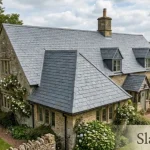
| Metal slate panels | Slate-like appearance | Premium residential projects |
| Copper | Long service life and patina | Premium homes |
| Aluminum | Lightweight and corrosion-resistant | Coastal and wet climates |
| Galvanized steel | Zinc coating protects steel | Residential and commercial roofs |
| Galvalume steel | Aluminum-zinc coating | Residential and commercial applications |
Standing Seam Metal Roofing
A standing seam system places raised vertical seams along the roof surface. The installer connects panels through concealed clips or fasteners, which reduces exposed screw heads.
Standing seam metal roof installation requires accurate measurements, properly spaced clips, correct panel alignment, and carefully installed flashing. This system often suits contemporary homes because it creates clean, continuous lines.
Corrugated and Exposed-Fastener Roofing
Corrugated and ribbed panels use visible fasteners that attach panels to the roof structure. These systems usually cost less than standing seam roofing, although installers must pay close attention to screw placement and washer condition.
Metal Shingles and Tile Profiles
Metal shingles and tile-style panels can imitate slate, wood, or clay tile. They work well when homeowners want metal’s durability without a highly industrial appearance.
Copper Metal Roofing
A copper metal roof creates a premium appearance and changes color naturally as it ages. Copper costs more than many steel options, but its longevity and distinctive appearance attract homeowners who prioritize long-term value.
What Materials Work Best?
Material selection affects price, weight, corrosion resistance, appearance, and service life.
A galvalume metal roof uses a steel core with an aluminum-zinc coating. This coating helps protect the steel from corrosion and gives the panels a distinctive metallic finish.
26 gauge metal roofing offers thicker steel than many lighter-gauge products. However, gauge alone does not determine quality. Coating, substrate quality, installation, panel design, fastener quality, and local weather conditions also matter.
Copper and aluminum provide additional options. Aluminum weighs less than steel and resists corrosion, while copper can last for many decades when installers use suitable detailing.
What Are the Parts of a Metal Roof?
Understanding the parts of a metal roof helps homeowners identify potential problems during inspections and maintenance.
| Component | Purpose |
| Metal panels | Create the primary weather barrier |
| Underlayment | Adds protection beneath panels |
| Ridge cap | Covers and protects the roof ridge |
| Ridge vent | Releases warm, moist attic air |
| Drip edge | Directs water toward gutters |
| Rake trim | Protects sloped roof edges |
| Eave trim | Protects lower roof edges |
| Flashing | Seals roof transitions and penetrations |
| Fasteners | Secure panels to the structure |
| Snow guards | Help control sliding snow |
| Gutters | Collect and direct roof runoff |
A metal roof ridge cap covers the roof’s highest point and helps protect the seam between roof slopes. Meanwhile, a metal roof ridge vent can support attic ventilation when the roof design allows adequate intake and exhaust airflow.
A metal roof drip edge helps move water away from vulnerable roof edges. Likewise, metal roof rake trim protects the sloped edges and improves water management.
Metal Roof Underlayment and Insulation
A quality metal roof underlayment creates an additional protective layer beneath the panels. Depending on the roofing system, installers may use synthetic underlayment, high-temperature underlayment, or other approved products.
Metal roof insulation can improve thermal performance and reduce heat transfer. However, insulation works alongside ventilation, air sealing, attic design, and climate considerations. Homeowners should evaluate the complete roof assembly rather than relying on insulation alone.
What Slope Does a Metal Roof Need?
The minimum slope for metal roof systems depends on the panel profile and manufacturer’s requirements. Standing seam systems can often accommodate lower slopes than some exposed-fastener profiles, but every product has its own limits.
The minimum pitch for metal roof installation also depends on panel design, seam type, underlayment, and water-shedding requirements. Never choose a slope based only on a general rule. Instead, check the specific manufacturer’s installation specifications and local building requirements.
Metal Roofing Screws and Fasteners
Metal roofing screws secure exposed-fastener panels to the roof deck or framing. High-quality screws usually include washers that help seal penetration points.
Homeowners should use the fasteners specified by the panel manufacturer. Incorrect screws, poor placement, overdriving, underdriving, or damaged washers can create leak risks.
When selecting roofing screws for metal roofs, consider corrosion resistance, compatibility with the panel coating, screw length, washer quality, and substrate.
Snow Guards, Gutters, and Roof Edge Protection
Do you know that Snow can slide rapidly from smooth metal panels, especially on steep roofs? Snow guards for metal roofs can help control snow movement and reduce sudden snow release above walkways, doors, patios, and landscaping.
Homeowners also need suitable gutters for metal roof systems. Correct gutter placement helps collect runoff and protects siding, foundations, landscaping, and entry areas.
Popular Metal Roof Colors and Finishes
Metal roofing comes in numerous colors and finishes. Homeowners often choose neutral shades because they complement brick, stone, siding, and modern exterior designs.
A charcoal gray metal roof can create a modern appearance without the visual intensity of pure black. A charcoal grey metal roof offers the same general color family, although manufacturers may use different names for similar shades.
Black metal roof panels create a bold contrast with lighter siding, wood accents, or masonry. However, homeowners should consider local climate, solar exposure, insulation, and the manufacturer’s coating specifications when selecting darker colors.
A burnished slate metal roof offers another popular gray-toned option that can provide a traditional appearance while retaining the advantages of metal roofing.
How Much Do Metal Roofs Cost?
The metal roof cost per square foot varies widely according to material, panel profile, labor, roof complexity, location, removal requirements, insulation, flashing, and accessories.
| Cost factor | Potential impact |
| Steel panels | Often moderate |
| Aluminum | Usually higher than basic steel |
| Copper | Premium pricing |
| Standing seam | Higher installation complexity |
| Corrugated panels | Often lower initial cost |
| Complex roof geometry | Higher labor cost |
| Old roof removal | Adds project cost |
| New insulation | Adds material and labor costs |
| Flashing and trim | Adds to total system cost |
| Snow guards | Adds accessory cost |
Rather than comparing panel prices alone, homeowners should compare the complete installed system. A cheaper panel may not provide good value if poor installation, unsuitable fasteners, or inadequate flashing create future problems.
Can Metal Roofing Handle Hail?
A hail damage metal roof may show dents, scratches, coating damage, or impact marks after a severe storm. Metal roofing can resist many impacts well, but no roofing material can guarantee immunity from severe hail.
After a major storm, inspect panels, seams, flashing, vents, skylights, gutters, and trim. A professional inspection can help distinguish cosmetic dents from damage that affects the roofing system.
Metal Roofing Repair and Maintenance
Metal roofing repair may involve replacing damaged panels, repairing flashing, replacing deteriorated fasteners, sealing appropriate penetrations, correcting trim issues, or addressing corrosion.
Routine maintenance should include:
- Remove leaves and debris from roof surfaces and gutters.
- Check visible fasteners and washers.
- Inspect flashing around penetrations.
- Look for scratches, corrosion, or coating damage.
- Check gutters and downspouts.
- Inspect after severe hail or wind events.
- Keep nearby tree branches away from the roof.
Roof access requires proper safety equipment. Roofing shoes for metal roofs should provide suitable traction, but footwear alone cannot eliminate fall hazards.
Homeowners can also combine routine maintenance with a professional Roofing Inspection when they notice leaks, storm damage, corrosion, or unusual movement.
Are Metal Roofs Better Than Shingles?
Metal and asphalt shingles each offer advantages. Metal usually provides a longer service life and strong weather performance, while asphalt shingles generally cost less initially and offer simple installation.
| Feature | Metal roofing | Asphalt shingles |
| Initial cost | Usually higher | Usually lower |
| Longevity | Often longer | Usually shorter |
| Weight | Varies by system | Generally moderate |
| Weather resistance | Strong | Good |
| Maintenance | Relatively low | Moderate |
| Design options | Many profiles | Many colors/styles |
| Repair | Can require specialized work | Often straightforward |
| Recyclability | High potential | Depends on material |
The right choice depends on budget, climate, roof design, expected ownership period, and homeowner preferences.
For a broader look at roof construction and material selection, readers can also review Roofing Layers and Roofing Solutions on Home Experts Guide.
Metal Roof vs. Other Roofing Styles
Metal roofing represents one category within a much larger roofing market. Homeowners can also compare asphalt shingles, slate, tile, wood shakes, synthetic roofing, and other systems.
Understanding different styles of roofs helps homeowners compare slope requirements, appearance, maintenance, service life, and installation methods before selecting a material.
For example, Composition Roofing often provides a lower initial investment than premium metal systems, while metal can offer a longer expected service life.
Commercial property owners may need additional guidance because roof design, drainage, insulation, codes, and maintenance planning become more complex. Commercial Roof Consultants can help evaluate larger roofing systems, replacement planning, inspections, and long-term maintenance priorities.
Can You Paint a Metal Roof?
Yes, homeowners can paint many metal roofs when the existing coating and panel condition allow it. However, surface preparation matters greatly.
Before painting, clean the roof, remove loose coating, address corrosion, repair damaged areas, and choose a coating compatible with the existing metal and finish. Always follow the coating manufacturer’s preparation and application requirements.
Can You Install Metal Roofing Over Shingles?
Some roofing systems allow installation over existing shingles, but local codes, roof condition, manufacturer’s instructions, ventilation, moisture concerns, and structural considerations determine whether the approach works.
Installers should inspect the existing roof before covering it. They also need to address damaged decking, trapped moisture, uneven surfaces, flashing, and ventilation before installing the new metal system.
How Long Do Metal Roofs Last?
Service life depends on material, coating, installation quality, climate, maintenance, and exposure. Steel and aluminum roofs can last for decades, while copper and zinc systems can provide exceptionally long service when installers use appropriate materials and detailing.
Homeowners should judge longevity as part of the entire roofing system rather than focusing only on the metal panel.
Final Thoughts
Metal roofs offer homeowners a durable roofing option with numerous materials, profiles, colors, and installation methods. Standing seam, corrugated, ribbed, metal shingle, tile, copper, aluminum, galvanized steel, and galvalume systems each provide different advantages.
A successful project depends on more than selecting attractive panels. The roof needs suitable slope, underlayment, fasteners, flashing, trim, ventilation, insulation, drainage, and installation details.
Before replacing a roof, compare the total project cost, expected service life, local weather, maintenance requirements, and manufacturer’s specifications. Home Experts Guide provides reliable roofing information to help homeowners make informed decisions about materials, installation, repairs, inspections, and long-term roof care.
Frequently Asked Questions
Can you paint a metal roof?
Yes, you can paint many metal roofs after proper preparation. Clean the surface, address rust or coating damage, and select a compatible roofing coating. Always follow the coating manufacturer’s instructions and avoid painting a roof with unresolved moisture or structural problems.
How to waterproof metal roofing?
Waterproofing starts with correct panel installation, suitable underlayment, flashing, seams, and penetrations. Inspect fasteners, washers, valleys, vents, and roof transitions regularly.
Use only compatible sealants and repair products recommended by the roofing manufacturer.
Are metal roofs better than shingles?
Metal roofs usually offer longer service life and strong weather resistance, while shingles often provide a lower initial project cost. The better choice depends on budget, climate, roof design, maintenance expectations, and how long you plan to own the property.
Can you put a metal roof over shingles?
Some metal roofing systems allow installation over existing shingles. However, the installer must evaluate roof condition, moisture, decking, ventilation, structural requirements, and local codes. Manufacturer instructions should guide the installation method.
How long will a metal roof last?
Many metal roofing systems can last several decades when installers use quality materials and correct installation practices. Material type, coating, climate, maintenance, ventilation, and storm exposure all influence longevity.
How to install metal roofing over shingles?
First, inspect the existing roof and repair damaged areas. Next, install the approved underlayment or framing system according to the panel manufacturer’s instructions. Then install panels, flashing, trim, fasteners, and ventilation components while maintaining proper drainage.
Is a metal roof cheaper than shingles?
Metal roofing usually costs more initially than standard asphalt shingles. However, its longer service life can change the long-term cost comparison. Homeowners should compare installation, maintenance, repairs, replacement frequency, and expected ownership duration.
Can you install a metal roof over shingles?
Yes, some systems permit installation over shingles, but the roof must meet structural and installation requirements. A contractor should inspect the existing roof and confirm that the chosen metal system supports an over-shingle installation.
Is a metal roof better than shingles?
Metal can outperform shingles in longevity and resistance to several weather conditions. Shingles can offer lower upfront costs and familiar installation methods. Consider the home’s location, roof slope, budget, and long-term plans before choosing.
Can you install metal roof over shingles?
You can install certain metal roofing systems over shingles when the existing roof meets applicable requirements. The installer must address moisture, damaged decking, uneven surfaces, flashing, ventilation, and fastening details before covering the old roof.
Do metal roofs attract lightning?
No. Metal roofing does not inherently attract lightning. Lightning can strike structures regardless of roof material. Metal also conducts electricity, but the roof itself does not make a home more likely to receive a lightning strike.
How to clean a metal roof?
Remove leaves and loose debris, then use a manufacturer-approved cleaning method. Avoid harsh chemicals, abrasive tools, and practices that can damage protective coatings. Because roof surfaces create fall hazards, consider professional cleaning when access proves difficult or unsafe.
How to install standing seam metal roof?
Standing seam installation requires accurate panel layout, appropriate clips or fastening systems, correct seam engagement, and carefully installed flashing. Because manufacturers use different profiles and attachment methods, follow the exact installation instructions supplied with the selected system.
How to metal roof over shingles?
Begin with a roof inspection and confirm that local codes and the metal system permit installation over shingles. Prepare the surface, address moisture and structural issues, install approved underlayment or framing, and then attach the metal panels according to manufacturer requirements.
How to paint a metal roof?
Clean the roof thoroughly and remove loose paint, dirt, and corrosion. Repair damaged areas before applying a compatible primer and roofing coating. Choose products designed for the specific metal and existing finish, and follow the manufacturer’s drying and application requirements.
How to overlap metal roofing?
Panel overlap depends on the roofing profile and manufacturer specifications. Align panels correctly and maintain the required side and end laps to support water drainage. Use the specified fasteners, sealants, and closure materials rather than relying on generic overlap measurements.
Where to put screws on metal roof?
Screw placement depends on the panel profile and installation method. Exposed-fastener systems typically require screws at specified rib or flat locations, while standing seam systems often use concealed clips. Always follow the manufacturer’s fastening pattern because incorrect placement can cause leaks, panel movement, or coating damage.
What maintenance does a metal roof need?
Inspect the roof periodically, especially after severe weather. Check panels, fasteners, flashing, trim, gutters, vents, and visible sealants for signs of damage. Remove debris and address small problems early to help prevent larger repair requirements.




Leave a Reply