
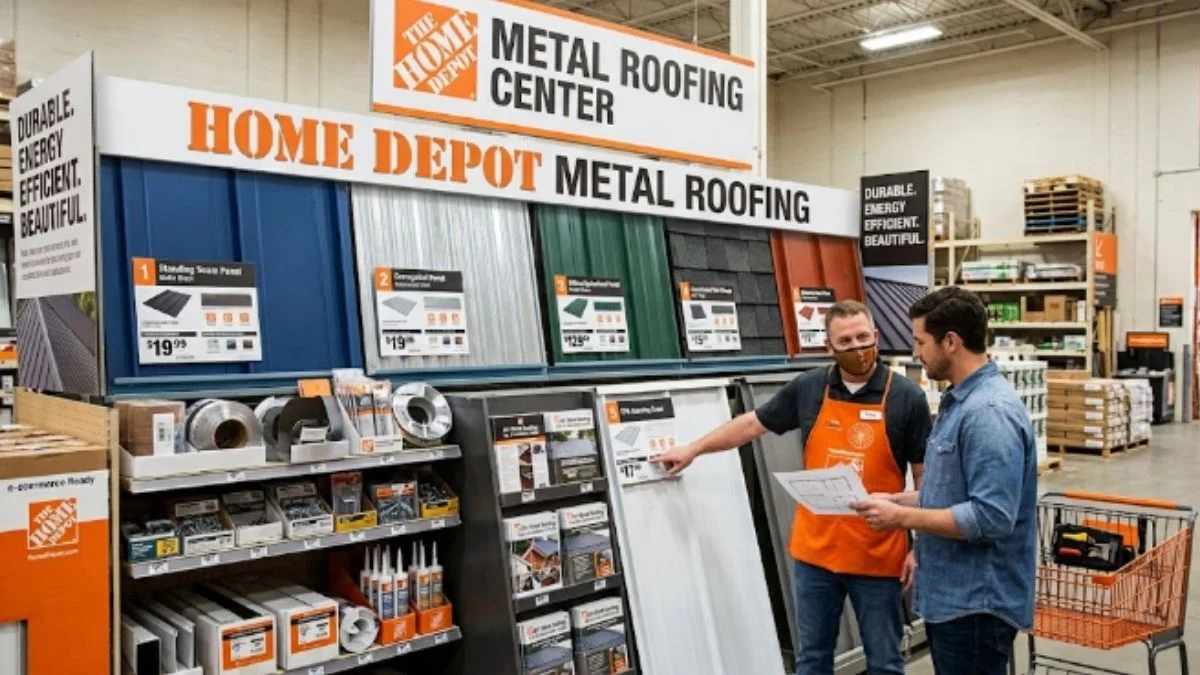
When homeowners search for home depot metal roofing, they often want to compare metal panels, steel roofing, accessories, sizes, colors, and installation options in one place. Metal roofing can suit houses, sheds, garages, patios, workshops, barns, and other structures.
However, choosing a roof involves more than selecting a sheet based on appearance. Panel profile, metal gauge, coating, roof slope, fastener placement, panel width, and installation method all affect the final result. Therefore, understanding these details can help you choose the right metal roof system.
At Home Experts Guide, we provide practical roofing information that helps homeowners compare steel roof systems, sheet roof styles, roof panels, installation methods, and long-term maintenance requirements.
What Is Home Depot Metal Roofing?
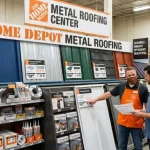
The term home depot metal roofing generally refers to metal roofing products available through Home Depot stores or its online marketplace. Depending on the location and product range, shoppers may encounter corrugated panels, ribbed panels, exposed-fastener systems, standing-seam components, flashing, screws, closures, and related roofing accessories.
Metal roofing commonly uses galvanized steel, galvalume steel, aluminum, or other coated metals. Each material offers different characteristics related to corrosion resistance, weight, appearance, and service life.
Before buying panels, measure the roof carefully and determine its slope. Also, check local building requirements because some roofing systems require specific underlayment, fasteners, edge details, or minimum slopes.
What Types of Metal Roofing Can You Choose?
Metal roofing comes in several profiles and styles. Each profile creates a different appearance and installation arrangement.
| Metal roofing style | Main characteristics | Common applications |
| Corrugated panels | Wavy or repeating ribs | Sheds, garages, agricultural buildings |
| R-panel | Broad ribs with exposed fasteners | Workshops, garages, commercial structures |
| Ribbed panels | Repeating raised ribs | Residential and utility buildings |
| Standing seam | Interlocking raised seams | Homes and commercial buildings |
| Metal slate | Slate-like appearance | Residential roofs |
| Through-fastened panels | Screws penetrate panels | Sheds, garages, utility structures |
| Aluminum panels | Lightweight and corrosion resistant | Coastal and residential projects |
Your choice should match the roof structure, slope, climate, appearance goals, and installation requirements.
Corrugated Roofing Panels vs. Standing Seam
Corrugated roofing panels remain popular because they provide a straightforward panel profile and work well across many small structures. Their repeating ridges help direct water toward the roof edge while adding rigidity to the sheet.
Standing-seam roofing takes a different approach. Raised seams connect adjacent panels, and concealed fasteners can create a cleaner roof surface.
| Feature | Corrugated panels | Standing seam |
| Seams | Exposed or overlapping | Raised interlocking seams |
| Fasteners | Often exposed | Usually concealed |
| Installation | Relatively straightforward | Requires greater precision |
| Appearance | Ribbed/wavy | Clean vertical lines |
| Common use | Sheds, garages, utility buildings | Homes, offices, commercial buildings |
Consequently, corrugated panels often suit simple structures, while standing seam can suit projects that prioritize long-term weather management and a streamlined roof profile.
How Much Does Metal Roofing Cost?
Metal roofing prices depend on several variables. Panel material, gauge, profile, coating, roof dimensions, accessories, labor, geographic location, and roof complexity can all affect the final budget.
Retail pricing also changes over time, so check current product listings and local store availability before making a purchasing decision.
| Cost factor | Potential impact |
| Panel material | Steel and aluminum can have different prices |
| Gauge | Thicker steel may cost more |
| Roof size | Larger roofs require more material |
| Profile | Specialty profiles may cost more |
| Flashing | Adds material and installation expense |
| Fasteners | Required quantities vary |
| Underlayment | Adds another material cost |
| Labor | Complex roofs require more installation time |
| Tear-off | Removing an existing roof increases project costs |
Therefore, calculate the complete roofing assembly instead of comparing panel prices alone.
What Gauge Should You Choose?
Metal gauge indicates material thickness, although the actual thickness depends on the specific steel standard and product specification. A lower gauge number generally indicates thicker steel.
A common question involves how thick is 29 gauge steel. Twenty-nine-gauge steel typically measures around 0.0142 inches before accounting for coatings, although manufacturer specifications can vary.
| Gauge | General thickness trend | Typical consideration |
| 26 gauge | Thicker | Greater material strength |
| 28 gauge | Medium-thick | Residential and utility applications |
| 29 gauge | Thinner | Common light-duty roofing panels |
| 30 gauge | Thinner | Certain light applications |
Always check the manufacturer’s actual thickness specification instead of relying only on gauge terminology.
How Wide Are Metal Roof Panels?
Panel width varies according to the profile and manufacturer. The overall width can differ from the actual coverage width because ribs and overlaps affect how much roof each sheet covers.
People often search how wide are metal roof panels when planning a roofing project. Rather than assuming one standard width, check the product’s stated coverage width and panel length.
For example, a panel may have an overall width that exceeds its net coverage width. Therefore, calculating the roof using coverage dimensions produces a more accurate material estimate.
What Is a 29ga Zincalum 8′ DR Panel?
A 29ga zincalum 8′ dr panel refers to a particular style and specification of metal roofing panel. The term commonly indicates 29-gauge material, an 8-foot panel length, and a Zincalume-type protective coating.
However, exact dimensions, profile, coverage, and coating specifications can vary between manufacturers. Always review the product specification before ordering panels.
Zinc-aluminum coatings help protect steel from corrosion, making coated steel a common choice across residential and utility roofing projects.
Can You Use Metal Roofing as Siding?
Yes, some metal roofing profiles can also work as wall cladding when the product and local requirements allow that application.
Metal roofing as siding can create a continuous ribbed appearance across exterior walls. Likewise, corrugated metal as siding can suit garages, workshops, barns, sheds, and modern exterior designs.
Corrugated panels can also form corrugated steel wall panels, giving walls a durable metal surface with repeating vertical or horizontal ribs.
| Application | Suitable metal style |
| Roof | Corrugated, ribbed, standing seam |
| Exterior wall | Corrugated, ribbed |
| Garage | Ribbed steel |
| Workshop | Corrugated steel |
| Shed | Corrugated or ribbed panels |
| Fence | Corrugated steel panels |
However, confirm that the specific panel carries approval or manufacturer guidance for wall installation before using a roofing panel as siding.
Can Corrugated Steel Work as a Fence?
A corrugated steel fence can create privacy while giving a property an industrial or modern appearance. Corrugated panels can attach to a properly constructed fence frame, depending on local requirements and the manufacturer’s recommendations.
Consider wind exposure, panel support, fastener selection, drainage, and corrosion protection. A fence also experiences different loads than a roof, so do not assume that every roofing panel automatically suits every fencing application.
What Are Patio Roof Panels?
Patio roof panels can include corrugated steel, polycarbonate, aluminum, and other roofing materials. Metal panels can provide a permanent roof surface when the patio structure can support the added weight and the design meets local requirements.
Before installing panels, evaluate the patio’s framing, slope, drainage, flashing, and attachment points. A patio roof also needs suitable water runoff because flat or poorly sloped panels can create drainage problems.
How Do You Install Metal Roofing on a Shed?
People often search how to install metal roofing on a shed because small structures can provide a manageable introduction to metal roofing.
First, inspect the shed roof deck and framing. Replace damaged decking before installing roofing materials. Next, install the required underlayment and flashing according to the selected system.
Then position the first panel carefully. Keep its alignment straight because the first sheet determines the position of subsequent panels. Attach the panels using manufacturer-approved screws and maintain the required overlap.
Finally, install ridge caps, gable trim, eave details, and other accessories according to the roofing system.
The search phrase how to install a tin roof on a shed often refers to the same basic project, although modern products typically use coated steel or aluminum rather than traditional tin.
How Does a Metal Roof Painted Rib System Work?
A metal roof painted rib profile uses raised ribs that increase panel rigidity while creating repeating visual lines across the roof.
Painted finishes can come in numerous colors, including gray, black, green, red, white, and brown metal roofing. Brown panels can complement brick, stone, wood, and neutral exterior finishes.
The coating also contributes to corrosion protection, but installation quality remains important. Scratches, exposed cut edges, incompatible fasteners, and trapped moisture can create maintenance issues.
What Is a Metal Slate Roof?
A metal slate roof uses formed metal panels designed to resemble traditional slate roofing. It can provide a slate-inspired appearance while reducing some of the weight associated with natural stone slate.
Metal slate profiles may suit homeowners who want a traditional roof appearance without installing individual stone pieces. However, product specifications vary, so check panel construction, coating, warranty, minimum slope, and installation requirements before purchase.
What Is a Metal Overhang Roof?
A metal overhang roof extends beyond a wall, porch, shed, patio, or other structure. Proper overhang dimensions depend on the roof design, panel profile, edge treatment, drainage strategy, and local requirements.
The overhang should direct water away from walls and foundations without creating problems with wind uplift or panel support.
Therefore, treat the roof edge as part of the complete roofing system rather than simply extending panels beyond the structure.
Can Metal Roofing Work on a Double-Wide?
A double wide with metal roof can use several metal roofing styles, including ribbed panels, standing seam, and other approved systems.
However, manufactured homes have specific structural and installation considerations. Check the roof framing, existing roofing layers, attachment points, ventilation, and local requirements before replacing the roof.
A professional inspection can help determine whether the existing structure can support the proposed roofing assembly.
What Is a Roof Type With Removable Panels?
A roof type with removable panels can refer to systems that allow individual sections or panels to come off during maintenance or access work. Certain metal panel designs allow easier access than fully integrated roofing assemblies.
However, removable access should never compromise waterproofing. Proper flashing, seals, fasteners, and replacement procedures matter whenever a panel comes off and returns to the roof.
How Does Metal Roofing Differ Between Residential and Commercial Buildings?
Metal roofing can serve both residential and commercial buildings, but project requirements often differ.
A Residential Roof commonly uses shingles, tiles, metal panels, or other sloped roofing systems. Commercial properties may use standing-seam metal, structural metal panels, or other systems designed around larger roof areas and commercial building requirements.
| Category | Residential application | Commercial application |
| Typical roof size | Small to medium | Medium to very large |
| Common metal styles | Ribbed, standing seam | Standing seam, structural panels |
| Design | Often steeper | Often low or moderate slope |
| Equipment | Limited rooftop equipment | HVAC and mechanical equipment |
| Installation | Residential contractor | Specialized roofing contractor |
Meanwhile, a Commercial Roof may require engineering input, specialized attachment systems, detailed drainage planning, and greater attention to penetrations.
When a project involves a large commercial structure, consult professionals familiar with commercial roof construction before selecting materials.
How Does Metal Roofing Compare With Other Roof Materials?
Choosing among different Roof Materials requires more than comparing initial costs. Consider service expectations, maintenance, climate, roof design, weight, and installation requirements.
| Material | Strengths | Common concerns |
| Metal | Long service potential, many styles | Noise, expansion, installation precision |
| Asphalt shingles | Familiar and widely available | Shorter service life than many metal systems |
| Slate | Long-lasting natural material | Heavy and expensive |
| Clay tile | Traditional appearance | Weight and breakage |
| Wood shakes | Natural appearance | Maintenance and moisture |
| Synthetic roofing | Various styles | Product quality varies |
Metal roofing stands out because manufacturers can produce many profiles, colors, gauges, and finishes.
What About Commercial Metal Roof Installation?
Commercial metal roof installation requires careful planning because commercial buildings often include rooftop equipment, penetrations, drainage systems, large panel runs, and complex edges.
Contractors should evaluate structural capacity, panel attachment, thermal movement, flashing, seams, penetrations, and local building requirements.
Similarly, repairs require a system-specific approach. Fixing a metal roof may involve replacing damaged fasteners, sealing approved penetrations, repairing seams, replacing panels, or addressing corrosion.
Avoid applying random sealants or screws without identifying the roofing system first.
Home Depot Metal Roofing: Key Buying Checklist
Before purchasing panels, review this checklist:
- Measure the roof length and width.
- Calculate the roof slope.
- Determine required panel coverage.
- Select an appropriate metal type.
- Compare gauge specifications.
- Choose a suitable profile.
- Select a coating and color.
- Calculate flashing requirements.
- Purchase compatible fasteners.
- Check underlayment requirements.
- Review local building codes.
- Confirm product availability.
- Follow manufacturer installation instructions.
Final Comparison
| If you need… | Consider… |
| Shed roofing | Corrugated or ribbed panels |
| Garage roofing | Ribbed steel or standing seam |
| Patio coverage | Approved metal patio panels |
| Modern home roof | Standing seam |
| Traditional appearance | Metal slate |
| Wall cladding | Corrugated or ribbed panels |
| Fence material | Approved corrugated steel |
| Commercial roofing | Commercial-grade metal systems |
Final Thoughts
Home Depot metal roofing can cover a wide range of applications, from sheds and garages to residential properties, patios, workshops, and commercial buildings. Corrugated, ribbed, standing-seam, metal slate, and other profiles provide different installation methods and appearances.
Before buying, compare gauge, panel width, coverage, coating, material, roof slope, fasteners, flashing, and local requirements. Additionally, consider the complete roofing assembly rather than focusing only on the price of individual panels.
For reliable roofing education, Home Experts Guide provides practical information about metal roofs, roof panels, installation, maintenance, Roof Types, and material comparisons. Use this guidance alongside manufacturer specifications and qualified professional advice when making major roofing decisions.
Frequently Asked Questions
How thick is 29 gauge steel?
29-gauge steel commonly measures around 0.0142 inches before coating, although exact measurements can vary by manufacturer and steel specification. Always check the manufacturer’s published thickness and product data before purchasing panels.
How do you install standing seam metal roofing?
Standing-seam installation starts with proper roof preparation, underlayment, flashing, and panel alignment. Installers then connect panels through their raised seams and secure them according to the manufacturer’s attachment system.
How do you screw metal roofing?
Use screws approved by the roofing manufacturer and place them according to the panel profile and installation guide. Keep screws straight, avoid overdriving them, and maintain proper washer compression to reduce leak risks.
How wide are metal roof panels?
Metal panel widths vary by manufacturer and profile, so no single width applies to every product. Check both the overall panel width and net coverage width because overlaps and rib geometry affect the actual roof area each panel covers.
Does Home Depot cut metal roofing?
Metal roofing cutting options can vary according to the product, store, service department, and local availability. Check with the specific Home Depot location or product listing before purchasing if you need panels cut to a particular length.
Does Home Depot sell metal roofing?
Home Depot carries various roofing products, and metal roofing availability can vary by store, region, product type, and current inventory. Check the current product listings or your local store when selecting a specific panel, profile, gauge, or color.
How much is metal roofing at Home Depot?
The cost varies according to panel material, gauge, profile, dimensions, finish, quantity, and location. Calculate the full project cost by adding panels, trim, fasteners, underlayment, accessories, delivery, and installation when applicable.
Can I order metal roofing through Home Depot?
Metal roofing products may be available through store or online ordering, depending on the product and location. Before ordering, verify panel dimensions, coverage, quantity, accessories, delivery details, and compatibility with your roof.


Leave a Reply