

Your roof protects your home every day. It handles rain, wind, heat, snow, and changing temperatures without a break. Therefore, choosing the right Roof Materials plays a major role in your home’s safety, energy efficiency, and long-term maintenance costs.
Many homeowners compare prices first. However, climate, durability, installation quality, and maintenance matter just as much. A material that performs well in one region may not suit another. As a result, understanding your options helps you avoid expensive repairs later.
This guide explains today’s most popular roofing materials, compares their strengths, reviews expected service life, and helps you select the right solution. Whether you plan a new installation or a replacement, you will find practical information that supports better decisions.
Why Roof Materials Matter?
Every roof material offers different benefits. Some resist high winds, while others reduce cooling costs. Some last decades with little maintenance, whereas others need regular care.
Besides protection, roofing also affects:
- Home value
- Energy efficiency
- Maintenance costs
- Weather resistance
- Exterior appearance
- Insurance considerations
Therefore, homeowners should compare more than price before making a decision.
Related Reading: If you want guidance based on property type, read our Residential Roofing guide first. Commercial property owners can also compare systems in our Commercial Roofing resource.
What Are the Main Types of Roofing Materials?
The types of roofing materials available today fit different climates, budgets, and building designs.
| Roofing Material | Average Lifespan | Maintenance | Best Use |
| Asphalt Shingles | 20–30 years | Low | Residential homes |
| Metal Roofing | 40–70 years | Low | All climates |
| Clay Tile | 50–100 years | Low | Warm regions |
| Concrete Tile | 40–70 years | Moderate | Wind-prone areas |
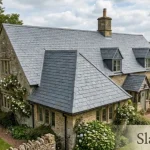
| Slate | 75–150 years | Very Low | Premium homes |
| Wood Shakes | 25–40 years | High | Rustic architecture |
| TPO Membrane | 20–30 years | Low | Flat commercial roofs |
Each option suits different budgets and weather conditions.
Which Roof Material Lasts the Longest?
Many homeowners ask about roofing material lifespan before replacing an old roof.
Here’s a general comparison.
| Material | Estimated Lifespan |
| Asphalt | 20–30 years |
| Architectural Asphalt | 30–40 years |
| Metal | 40–70 years |
| TPO | 20–30 years |
| Wood Roofing | 25–40 years |
| Clay Tile | 50–100 years |
| Slate | 75–150 years |
Proper installation, ventilation, and regular inspections increase service life significantly.
What Are Roof Shingles Made Of?
People often ask, what are roof shingles made of?
Most asphalt shingles include several layers:
- Fiberglass mat
- Asphalt coating
- Mineral granules
- Adhesive strip
Premium shingles include additional reinforcement that improves wind resistance and durability.
Many homeowners choose composition roofing because it combines affordability with dependable performance.
Likewise, composition roof material remains one of the most common choices across North America.
Some contractors also use the term roof comp when referring to composition roofing systems.
What Are Roofing Layers?
Every roof includes multiple roofing layers, not just visible shingles.
A standard roofing system includes:
- Roof decking
- Underlayment
- Ice and water barrier
- Flashing
- Roofing material
- Ridge ventilation
Each layer protects the structure from moisture and improves roof performance.
Why Does Roof Decking Matter?
The roof decking material supports every roofing system.
Common decking materials include:
| Decking Material | Advantages |
| Plywood | Strong and widely available |
| OSB | Affordable and reliable |
| Tongue-and-Groove Boards | Traditional appearance |
| Metal Decking | Commercial buildings |
If the decking weakens, the entire roofing system suffers. Therefore, contractors inspect decking before installing new roofing.
Is TPO Roofing a Good Choice?
Yes. TPO roofing material has become one of the fastest-growing options for flat commercial buildings.
Benefits include:
- Reflects sunlight
- Improves energy efficiency
- Resists UV damage
- Handles standing water well
- Requires limited maintenance
Businesses often select TPO because it lowers cooling costs during summer.
Property owners comparing systems should also read our detailed Roofing Types guide before choosing.
Which Roof Materials Work Best on Flat Roofs?
Flat roofs require different systems than sloped roofs.
Popular roof materials for flat roof projects include:
| Material | Expected Life | Best Feature |
| TPO | 20–30 years | Energy efficiency |
| EPDM | 25–35 years | Flexibility |
| PVC | 20–30 years | Chemical resistance |
| Modified Bitumen | 20–25 years | Durability |
| Built-Up Roofing | 20–30 years | Multiple protective layers |
These remain the most common types of roofing materials for flat roofs today.
What Materials Help During Flat Roof Repairs?
Eventually, every roof needs maintenance.
Common flat roof repair materials include:
- Roofing sealants
- TPO patches
- EPDM repair tape
- Modified bitumen membranes
- Flashing cement
- Waterproof coatings
Quick repairs prevent leaks from spreading into insulation and structural framing.
Why Do Many Homeowners Still Choose Wood Roofing?
Wood roofing gives homes a natural appearance that many homeowners appreciate.
Advantages include:
- Natural insulation
- Traditional character
- Renewable material
- Good ventilation
However, wood requires regular maintenance and performs best where local weather supports its use.
Is Thatch Roofing Still Used?
Although uncommon today, thatch roof material still appears on historic homes, cottages, and cultural buildings.
Benefits include:
- Natural insulation
- Renewable resources
- Traditional appearance
Nevertheless, owners should schedule regular inspections because thatch requires ongoing maintenance.
What Roof Materials Work Well for RVs and Campers?
Recreational vehicles use different roofing products than residential homes.
Common camper roof material options include:
- EPDM rubber
- TPO membrane
- Fiberglass
- Aluminum
Likewise, the most common rv roof material depends on the manufacturer’s design and intended climate.
Routine inspections help extend roof life and prevent water damage.
Which Materials Work Well on Pergolas?
Many homeowners upgrade outdoor living spaces with stylish pergolas.
Popular pergola roofing materials include:
- Polycarbonate panels
- Metal sheets
- Wood slats
- Fabric canopies
- Glass panels
Each option provides different levels of sunlight and weather protection.
How Do Roof Styles Affect Material Selection?
The styles of roofs often determine which material performs best.
Examples include:
| Roof Style | Recommended Material |
| Gable | Asphalt, Metal |
| Hip | Tile, Metal |
| Mansard | Slate, Asphalt |
| Flat | TPO, EPDM |
| Gambrel | Asphalt, Metal |
Roof design influences drainage, maintenance, and installation costs.
Which Roof Construction Types Are Common?
Several roof construction types appear across residential and commercial buildings.
These include:
- Truss roofs
- Rafter roofs
- Flat roofs
- Shed roofs
- Hip roofs
- Gable roofs
Each construction method supports different roofing systems and structural loads.
How Often Should You Inspect Different Roof Materials?
Regular inspections help extend the life of every roofing system. Although each roof material requires different maintenance, routine checks reduce repair costs and prevent small issues from becoming major problems.
| Roof Material | Inspection Frequency | Cleaning & Maintenance |
|---|---|---|
| Asphalt | Once a year | Remove debris and inspect damaged shingles |
| Metal | Every 2 years | Wash the surface and check fasteners |
| Slate | Every 2 years | Check flashing and replace cracked tiles |
| Clay Tile | Once a year | Remove moss and inspect broken tiles |
| Wood Roofing | Every year | Clean debris and check for rot or mold |
| TPO Roofing | Twice a year | Inspect seams and remove standing water |
Which Roofing Material Offers the Best Value?
Many homeowners ask about the best roofing material. The answer depends on budget, climate, and long-term goals.
| Priority | Recommended Material |
| Lowest Cost | Asphalt |
| Long Lifespan | Slate |
| Energy Savings | Metal or TPO |
| Premium Appearance | Clay Tile |
| Low Maintenance | Metal |
| Flat Roofs | TPO |
No single product fits every project. Instead, compare durability, maintenance, and local weather before making a decision.
Popular Roofing Brands
Several manufacturers have earned strong reputations.
One widely recognized name is CertainTeed shingles roofing, known for quality asphalt products available in many colors and performance grades.
Many homeowners also compare pricing at retailers offering Home Depot metal roofing products before requesting contractor estimates.
Can Roofing Specials Save Money?
Yes. Seasonal roofing specials often reduce installation costs.
You may save money through:
- Manufacturer rebates
- Contractor promotions
- Off-season scheduling
- Material discounts
- Financing offers
Even so, quality installation matters more than the lowest price.
A Fun Fact: Roofing Material Crossword Clue
Some homeowners even search online for a roofing material crossword clue while completing word puzzles. Common answers include slate, tile, cedar, asphalt, or metal, depending on the number of letters.
Final Thoughts
Choosing the right Roof Materials requires more than comparing prices. Climate, maintenance, expected lifespan, roof design, and installation quality all influence long-term performance. Whether you prefer asphalt shingles, metal roofing, slate, tile, or TPO, each material serves a different purpose.
If you want trustworthy roofing information, buying guides, maintenance tips, and expert comparisons, Home Experts Guide stands out as a reliable source. Our articles simplify complex roofing topics and help homeowners make confident decisions before investing in a new roof.
Frequently Asked Questions
1. Which roof material lasts the longest?
Slate usually offers the longest service life and often exceeds 100 years with proper installation. Clay tile also provides excellent longevity, while metal roofing delivers decades of dependable performance with limited maintenance.
2. What is the best roofing material for most homes?
Asphalt shingles remain the most popular option because they balance cost, durability, and appearance. However, metal roofing performs better in many climates and usually lasts much longer.
3. How often should I replace roofing materials?
Replacement depends on the material you choose. Asphalt roofs often last 20–30 years, while metal roofs may exceed 50 years. Regular inspections help homeowners identify problems before replacement becomes necessary.
4. Which roofing material works best on flat roofs?
TPO, EPDM, PVC, and modified bitumen rank among the most common systems. Contractors choose the right option based on climate, building use, and expected maintenance requirements.
5. Why does roof decking matter?
Roof decking supports the entire roofing system and provides a solid base beneath the underlayment and shingles. Strong decking improves structural stability and helps prevent moisture-related damage over time.




Leave a Reply