
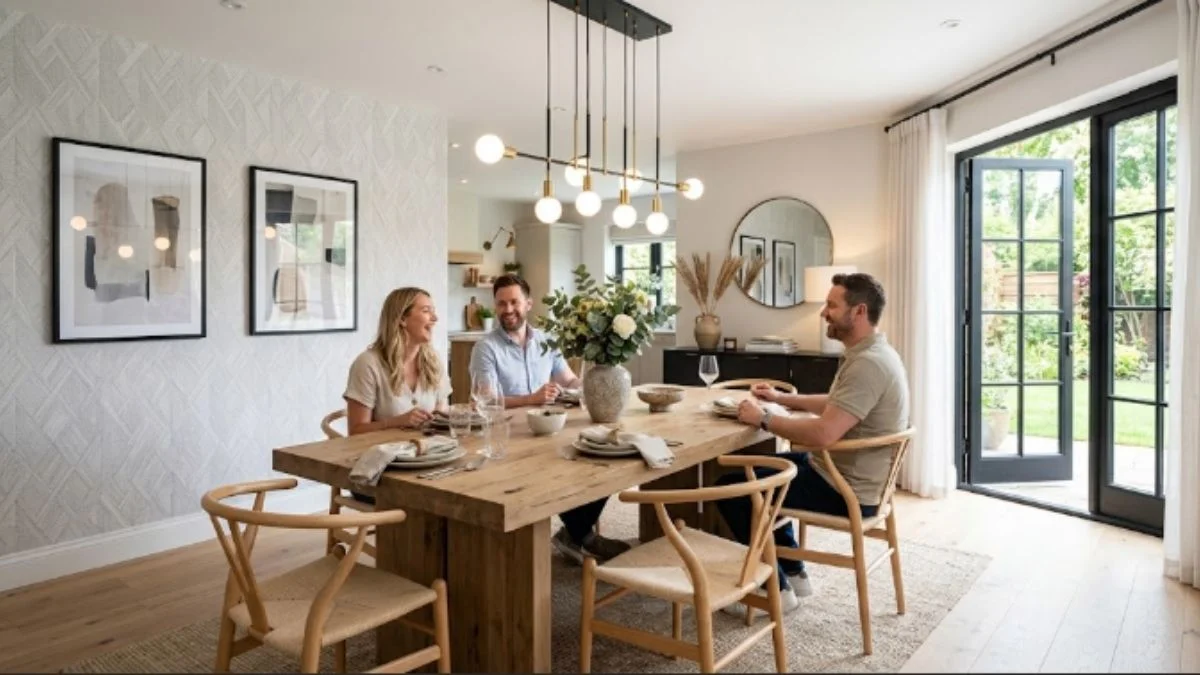
A dining room can serve much more than a place to eat. It can become a welcoming space for family meals, celebrations, homework, conversations, and everyday gatherings. The right dining room remodeling ideas can improve the room’s appearance while making better use of its available space.
Start with the room’s size, natural light, architectural details, and connection with nearby spaces. Then select a style, furniture arrangement, lighting plan, wall treatment, and color palette that work together. Whether you prefer a modern contemporary dining room, a traditional setting, or a more creative space, small changes can make a major difference.
Start With the Dining Room Floor Plan
The dining room floor plan should guide every remodeling decision. Measure the room before buying furniture, selecting lighting, or planning built-ins. Leave enough space around the table so people can pull out chairs and move comfortably.
A rectangular room often suits a long dining table, while a square room can work well with a round or square table. Open-plan homes need a layout that creates a clear dining zone without making the surrounding area feel crowded.
| Room Type | Recommended Table | Suitable Layout | Design Tip |
| Small square room | Round or square | Centered | Use compact chairs |
| Long room | Rectangular | Lengthwise | Add a linear light fixture |
| Open-plan space | Rectangular or oval | Between kitchen and living area | Define the zone with a rug |
| Large dining room | Long rectangular | Centered | Add a sideboard or cabinet |
| Narrow room | Oval or narrow rectangular | Along the longest wall | Keep walkways open |
Before construction begins, consider door swings, windows, outlets, heating vents, and access to adjoining rooms. A well-planned layout can prevent expensive changes later.
Which Dining Room Style Matches Your Home?
Your preferred style should complement the home’s architecture while reflecting your personal taste. You can also combine elements from different styles to create a room that feels natural rather than overly coordinated.
Modern Contemporary Dining Room
A modern contemporary dining room usually combines clean furniture, simple shapes, neutral colors, and carefully selected decorative pieces. A streamlined table, upholstered chairs, pendant lighting, and minimal wall art can create this look.
Black, white, gray, beige, walnut, and natural wood tones work particularly well. Add one bold artwork or sculptural light fixture when you want more visual interest.
Modern Dining Area
A dining area modern design often works well in open-plan homes. Use a simple dining table, sleek chairs, modern lighting, and a subtle area rug to separate the eating space from the kitchen or living room.
Glass, metal, natural wood, and smooth finishes can create a clean appearance without making the room feel cold.
Luxury Modern Dining Room
A luxury modern dining room design can combine sophisticated materials with comfortable furniture. Consider a large wood or stone-top table, upholstered seating, statement lighting, wall paneling, and carefully selected artwork.
You do not need an oversized room to create this style. Instead, focus on proportion, lighting, material quality, and a limited color palette.
Traditional Dining Room
Traditional dining rooms often feature wood furniture, decorative molding, classic lighting, patterned rugs, and rich colors. A large wooden table can become the central feature, while a sideboard provides storage and display space.
This approach works especially well in older homes with crown molding, wainscoting, hardwood floors, or other architectural details.
Farmhouse Dining Room
Farmhouse rooms combine natural materials with comfortable, relaxed details. Reclaimed-style wood tables, bench seating, woven accessories, simple lighting, and soft neutral colors can create a warm setting.
Add greenery, ceramic pieces, or linen textiles to keep the room inviting without making it feel cluttered.
Industrial Dining Room
Industrial designs often combine wood, metal, concrete-inspired finishes, and darker colors. Black metal lighting and a solid wood table can create a strong centerpiece.
Brick-style walls, exposed-looking materials, and simple chairs can reinforce the style. However, warm wood tones can soften the harder materials.
Scandinavian Dining Room
Scandinavian dining rooms focus on light colors, natural wood, simple furniture, and uncluttered surfaces. White walls combined with oak or light wood furniture can make smaller rooms appear brighter.
Use soft textiles, simple pendant lighting, and a few carefully chosen accessories to maintain the clean appearance.
Mid-Century Modern Dining Room
Mid-century modern design uses tapered furniture legs, rounded forms, warm wood tones, and simple geometric details. A walnut table with curved chairs can immediately establish this look.
Choose lighting with an interesting silhouette while keeping the rest of the room relatively simple.
Eclectic Dining Room
An eclectic room allows you to combine different furniture periods, colors, artwork, and textures. The key involves creating a visual connection between different pieces.
You can pair a vintage table with modern chairs or combine traditional wall molding with contemporary lighting. Repeat one or two colors throughout the room to create visual consistency.
How Can You Create an Artistic Dining Room?
An artistic dining room can turn walls, lighting, furniture, and accessories into visual focal points. Start with one major feature instead of filling every surface.
Large artwork above a sideboard can create a strong focal point. Alternatively, a gallery wall can display family photographs, prints, paintings, or collected pieces.
A sculptural chandelier can also become the room’s centerpiece. If the furniture has a simple design, bold artwork or colorful chairs can add personality.
Update the Dining Table Before Replacing It
You do not always need new furniture to change the room. A dining table makeover can give an older table a completely different appearance.
Sand and refinish a worn wood surface, change the stain, paint the base, or replace outdated hardware. You can also pair an existing table with new chairs to create a fresh combination.
Here are several dining room table makeover ideas worth considering:
| Table Update | Best Style | Approximate Impact |
| Refinish wood | Farmhouse, traditional, modern | High |
| Paint the base | Eclectic, cottage | Medium |
| Replace chairs | Contemporary, modern | High |
| Add a new centerpiece | Any style | Low |
| Change table lighting | Modern, luxury, industrial | High |
| Add a table runner | Traditional, farmhouse | Low |
| Restyle surrounding decor | Any style | Medium |
When choosing an inspiration dining table, consider more than its appearance. Think about seating capacity, room dimensions, cleaning needs, material durability, and the distance between the table and walls.
Styling a Dining Table Without Creating Clutter
Styling a dining table requires balance. A centerpiece should add interest without preventing people from seeing across the table.
A long rectangular table can use a linear centerpiece, while a round table often suits one central arrangement. Candles, greenery, ceramic vessels, bowls, books, and seasonal decorations can all work well.
Dining table decorating also gives you an easy way to change the room throughout the year. Use lighter accessories during spring and summer, then introduce warmer textures during fall and winter.
Keep everyday arrangements simple. During larger gatherings, remove unnecessary decorations and leave enough room for plates, serving dishes, and drinks.
Rethink the Things in the Dining Room
The best things in the dining room should support the way you use the space. Common items include:
- Dining table and chairs
- Area rug
- Pendant or chandelier
- Sideboard
- Buffet cabinet
- Artwork
- Mirror
- Table centerpiece
- Storage cabinet
- Curtains or window treatments
- Decorative lighting
- Plants
- Serving accessories
You do not need every item on this list. Choose pieces that suit your room size and daily habits.
A small dining room may need only a table, chairs, lighting, and artwork. A larger room can accommodate a sideboard, storage cabinet, mirror, rug, and additional seating.
Try Alternative Dining Room Ideas
Some homes no longer need a formal dining room. If your family rarely uses the space, consider alternative dining room ideas that match your lifestyle.
Dining Room to Office Conversion
A dining room to office conversion can create a dedicated workspace without requiring a major addition. Replace the dining table with a desk, add storage, improve task lighting, and install cable-management solutions.
Keep the room flexible if you occasionally host guests. A wall-mounted desk or compact workstation can preserve some open floor space.
Turning a Dining Room Into a Sitting Room
Turning a dining room into a sitting room can work particularly well when the home already has an informal eating area. Add two comfortable chairs, a sofa, side tables, lamps, and a rug.
A bookcase or console can provide storage, while artwork can establish the room’s visual focus. This option creates a quiet place for reading, conversations, or relaxing.
Hybrid Dining and Living Space
A hybrid room can serve meals during the day and social gatherings in the evening. Choose furniture that supports both activities. A round table can improve circulation, while a sideboard can store dining supplies and entertaining items.
Give an Older Room a 1980s Dining Room Makeover
A 1980s dining room makeover often starts with dated wood tones, heavy furniture, brass fixtures, patterned wallpaper, or overly dark colors. You do not need to remove every original detail.
Paint the walls in a lighter neutral shade, update the lighting, refinish dark furniture, and replace outdated window treatments. Modern chairs can also change the appearance of an older table.
If the room has good architectural details, keep them. Crown molding, wood flooring, built-ins, or decorative trim can add character when they fit the home’s overall design.
Coordinate the Dining Room With Nearby Spaces
A dining room often connects directly with the kitchen or living room. Therefore, the spaces should share some visual elements without looking identical.
For example, repeat a wood tone between kitchen cabinets and dining furniture. You can also carry one accent color from the kitchen into dining chairs, artwork, or accessories.
If you plan a larger home update, consider the dining room alongside a minor kitchen remodel. Coordinating flooring, lighting, cabinet colors, and wall finishes can create a smoother transition between both spaces.
Likewise, kitchen theme ideas for decorating can help you select colors and materials that continue naturally into the dining area.
Consider Walls, Floors, and Ceilings
Walls can change the character of a dining room without major construction. Paint provides the simplest update, while wallpaper, paneling, wainscoting, and decorative molding create more visual structure.
Hardwood floors offer a classic foundation, while large-format tile can suit contemporary homes. An area rug can define the dining zone and introduce texture.
The ceiling also deserves attention. A chandelier, pendant fixture, beams, tray ceiling, or subtle paint change can draw attention upward.
Choose Lighting That Works at Different Times
Dining room lighting should support meals, conversations, and entertaining. A central chandelier or pendant should sit proportionally above the table.
Layer the lighting with wall sconces, recessed fixtures, lamps, or cabinet lighting when the room includes built-in storage.
Dimmers can help you change the atmosphere from bright everyday lighting to softer evening illumination. Warm bulbs usually create a comfortable dining environment.
Remodeling Priorities: What Should You Change First?
If your budget has limits, prioritize changes that influence the room’s layout and daily use.
| Priority | Remodeling Area | Why It Matters |
| 1 | Layout | Controls movement and furniture placement |
| 2 | Lighting | Changes usability and atmosphere |
| 3 | Table and seating | Supports everyday dining |
| 4 | Flooring | Establishes the room’s foundation |
| 5 | Wall treatment | Changes visual character |
| 6 | Storage | Keeps serving items organized |
| 7 | Accessories | Adds finishing details |
Start with permanent decisions such as flooring, electrical work, and built-ins. Then move toward furniture, paint, artwork, and decorative accessories.
Dining Room Remodeling Ideas That Suit Different Budgets
You can remodel a dining room at almost any budget level.
A lower-cost update can include fresh paint, new curtains, updated artwork, a table runner, new lighting, and a rearranged furniture layout.
A mid-range project may include new flooring, dining furniture, wall paneling, improved lighting, and a sideboard.
A larger renovation can include built-in storage, electrical upgrades, ceiling changes, new flooring, custom millwork, and adjoining-room improvements.
If your renovation extends beyond the dining room, bathroom modifications may also fit into a broader whole-home improvement plan.
Final Tips Before Starting Your Remodel
Measure everything before purchasing furniture. Create a simple layout and mark table dimensions on the floor with painter’s tape. This method helps you judge walking space before making a purchase.
Next, select your style and major materials. Choose the table, lighting, flooring, and wall color before filling the room with smaller accessories.
Finally, avoid following trends too closely. A dining room should suit your home’s architecture and your everyday habits. Select timeless foundations and use easily replaceable accessories to add seasonal or current design touches.
For reliable home improvement guidance, Home Experts Guide offers useful information across remodeling, maintenance, DIY projects, and other residential improvement topics.
Frequently Asked Questions
How Do I Choose Furniture for a Small Dining Area?
Choose a compact table with a round, oval, or drop-leaf design to improve movement. Use slim chairs or benches that fit neatly beneath the table. Keep furniture proportional to the room and leave clear walking space around it.
What Is a Formal Dining Room?
A formal dining room serves dedicated meals, celebrations, and special gatherings rather than everyday casual dining. It often includes a larger dining table, coordinated seating, decorative lighting, and refined furnishings. Traditional rooms may also feature wall molding, artwork, rugs, and storage furniture.
How to Refresh a Dining Room Cheaply?
Refresh the room with new paint, updated curtains, affordable artwork, or rearranged furniture. Refinish an existing dining table or replace outdated chairs instead of buying an entire dining set. Add a simple centerpiece, rug, mirror, or lighting fixture to create a noticeable change.
How to Decorate Your Dining Table?
Start with a centerpiece that matches the table’s size and leaves enough space for meals. Use candles, flowers, greenery, ceramic pieces, or a decorative bowl to add visual interest. Keep the arrangement balanced and low enough to maintain comfortable conversation across the table.
What to Do With an Unused Dining Room?
Convert the space into a home office, sitting room, reading area, library, or hobby space. You can also create a flexible room with a compact table and multipurpose furniture. Choose the new purpose based on your household’s daily needs and available space.
What to Put on a Dining Table?
Place a centerpiece, vase, candles, decorative bowl, tray, or seasonal arrangement on the table. A table runner or placemats can add texture while keeping the setup practical. Keep decorations proportionate and leave sufficient space for plates, serving dishes, and drinks.



Leave a Reply